

 English
 Deutsch
 Español
 русский
Дом · Новости · Новости отрасли · В чем разница между патч-панелями Cat5e, Cat6, Cat6A и Cat7?
Новости отрасли
В чем разница между патч-панелями Cat5e, Cat6, Cat6A и Cat7?
2026-07-03Контент
- 1 Краткое сравнение
- 2 Cat5e Патч-панели : Устаревшая роль поддержки
- 3 Патч-панели Cat6: стандарт повседневного офиса
- 4 Патч-панели Cat6A: полная 10-гигабитная производительность
- 5 Патч-панели Cat7: максимальная пропускная способность, ограниченная совместимость с RJ45
- 6 Серия экранированных патч-панелей Cat6/Cat6A
- 7 Подробное сравнение характеристик
- 8 Как выбрать правильную категорию для вашего проекта
- 9 Замечания по установке, экранированию и прокладке кабелей
- 10 Работа с фабрикой патч-панелей для индивидуальных проектов
- 11 Часто задаваемые вопросы
Прямой ответ
Основное различие между патч-панелями Cat5e, Кат6, Кат6A и Cat7 сводится к полосе пропускания, устойчивой скорости передачи данных и экранированию. Панели Cat5e имеют максимальную частоту 100 МГц и 1 Гбит/с. Панели Cat6 работают на частоте 250 МГц и достигают скорости 10 Гбит/с только на расстоянии примерно 37-55 метров. Панели Cat6A работают на частоте 500 МГц и обеспечивают полную скорость 10 Гбит/с по всему 100-метровому каналу с усиленным экранированием. Панели Cat7 рассчитаны на частоту 600 МГц, но для соответствия всем своим техническим характеристикам требуются разъемы GG45 или TERA, а не стандартные RJ45, поэтому почти все заводы по производству коммерческих патч-панелей, включая BTBL, концентрируют производство на Cat6 и Cat6A, а не на Cat7.
Краткое сравнение
Прежде чем углубляться в каждую категорию, в этой таблице четыре типа патч-панелей выстроены рядом друг с другом, чтобы вы могли сопоставить категорию с вашим проектом, не читая всю статью.
| Категория | Пропускная способность | Максимальная скорость передачи данных | Полноскоростная дистанция | Разъем | Типичное использование |
|---|---|---|---|---|---|
| Cat5e | 100 МГц | 1 Гбит/с | 100 м | RJ45 | Устаревшие сети, голосовые системы |
| Cat6 | 250 МГц | 10 Гбит/с | 37-55 м | RJ45 | Коммерческие офисы, устройства PoE |
| Cat6A | 500 МГц | 10 Гбит/с | 100 м | RJ45 | Дата-центры, мощное PoE |
| Cat7 | 600 МГц | 10 Гбит/с | 100 м | ГГ45 / ТЕРА | Промышленные и телекоммуникационные ниши с высокими электромагнитными помехами |
Cat5e Патч-панели : Устаревшая роль поддержки
Патч-панели Cat5e остаются актуальными в основном для проводки голосовой связи и старых систем, которые все еще работают со скоростью 1 Гбит/с или ниже на всей длине 100-метрового канала. Патч-панели Cat5e остаются актуальными для приложений голосовой связи и обслуживания устаревших систем, поддерживая скорость передачи данных до 1 Гбит/с на расстояние 100 метров. Обычно они используют проводники 24 AWG и являются наименее дорогим вариантом в каталоге производителя патч-панелей, но они не являются реалистичным выбором для любой новой установки, которая, как ожидается, будет поддерживать мультигигабитную сеть. трафик.
Поскольку полоса пропускания ограничена 100 МГц, Cat5e не подходит для рабочих нагрузок 10G, магистральных сетей видеонаблюдения или плотных развертываний PoE. Это по-прежнему встречается в контрактах на техническое обслуживание зданий, подключенных до 2010 года, где замена каждой кабельной трассы не оправдана текущим использованием.
Патч-панели Cat6: стандарт повседневного офиса
Патч-панели Cat6 увеличивают полосу пропускания до 250 МГц и рассчитаны на 10 Гбит/с, но только в пределах укороченной длины канала. Патч-панели Cat6 увеличивают полосу пропускания до 250 МГц и поддерживают передачу 10 Гбит/с, хотя применяются ограничения по расстоянию: 55 метров для 10GBASE-T и 100 метров для 1 Гбит/с. В планировках открытого офиса, где много кабелей объединены в пучок, практическая дальность действия 10G может еще больше сократиться из-за посторонних перекрестных помех. между соседними кабелями.
Внутренняя конструкция также отличается от Cat5e. Спецификация сечения проводов изменяется с 24 AWG в Cat5e до 23 AWG в Cat6, при этом многие конструкции включают центральный шлиец для изоляции витых пар и уменьшения перекрестных помех. Это делает Cat6 идеальным выбором для стандартных коммерческих офисов, VoIP-телефонов и камер PoE, где длина кабеля редко превышает 55 метров.
Патч-панели Cat6A: полная 10-гигабитная производительность
Cat6A — это категория, которую большинство производителей патч-панелей, включая BTBL, рекомендуют для новых сборок, поскольку она устраняет штраф за расстояние, ограничивающий Cat6. Патч-панели Cat6a представляют собой текущий отраслевой стандарт для новых установок, предлагая полосу пропускания 500 МГц и полную пропускную способность 10 Гбит/с на всем 100-метровом канале. Более тяжелое экранирование F/UTP или S/FTP, используемое в конструкции Cat6A, обеспечивает надежность всей 100-метровой трассы со скоростью 10 Гбит/с.
Cat6A также имеет значение для подачи электроэнергии. Инфраструктура Cat6a также поддерживает приложения PoE мощностью до 100 Вт, включая энергоемкие устройства, такие как PTZ-камеры и системы светодиодного освещения. Компромисс физический: более толстый кабель и более крупные разъемы означают, что заполнение кабелепровода и радиус изгиба необходимо планировать более тщательно, чем в Cat6.
Патч-панели Cat7: максимальная пропускная способность, ограниченная совместимость с RJ45
Cat7 определен в соответствии с классом F ISO/IEC 11801, а не категориями TIA, которые регулируют Cat5e, Cat6 и Cat6A. Кабель CAT7 представляет собой высокопроизводительный медный кабель витой пары, соответствующий стандарту ISO/IEC 11801 класса F, специально разработанный для поддержки 10 Gigabit Ethernet на расстояние более 100 метров, с обязательным и расширенным экранированием. Его номинальная полоса пропускания 600 МГц выше, чем 500 МГц Cat6A, но для достижения этого показателя требуются разъемы GG45 или TERA вместо RJ45. Когда кабель CAT7 заканчивается стандартной вилкой RJ45, его производительность фактически ограничивается производительностью кабеля CAT6A, поскольку сам разъем RJ45 не может обрабатывать более высокие частоты.
Поскольку практически все коммутаторы, серверы и патч-панели, используемые в коммерческих целях, используют RJ45, патч-панели Cat7 получили ограниченное распространение за пределами специализированных европейских проектов в области телекоммуникаций и вещания. Cat7 указан для разъемов GG45 или TERA, ни один из которых не является RJ45; кабель категории Cat7, заканчивающийся вилками или разъемами RJ45, не может обеспечить совместимый канал Cat7 и в лучшем случае обеспечивает производительность, эквивалентную Cat6A. По этой причине большинство производителей OEM-патч-панелей направляют клиентов на экранированный Cat6A вместо Cat7, если проект специально не требует использования канала класса F.
Серия экранированных патч-панелей Cat6/Cat6A
Это типичные модели экранированных патч-панелей из производственной линии BTBL, охватывающие различное количество портов и ширину стоек для офисов, шкафов IDF и компактных серверных шкафов.
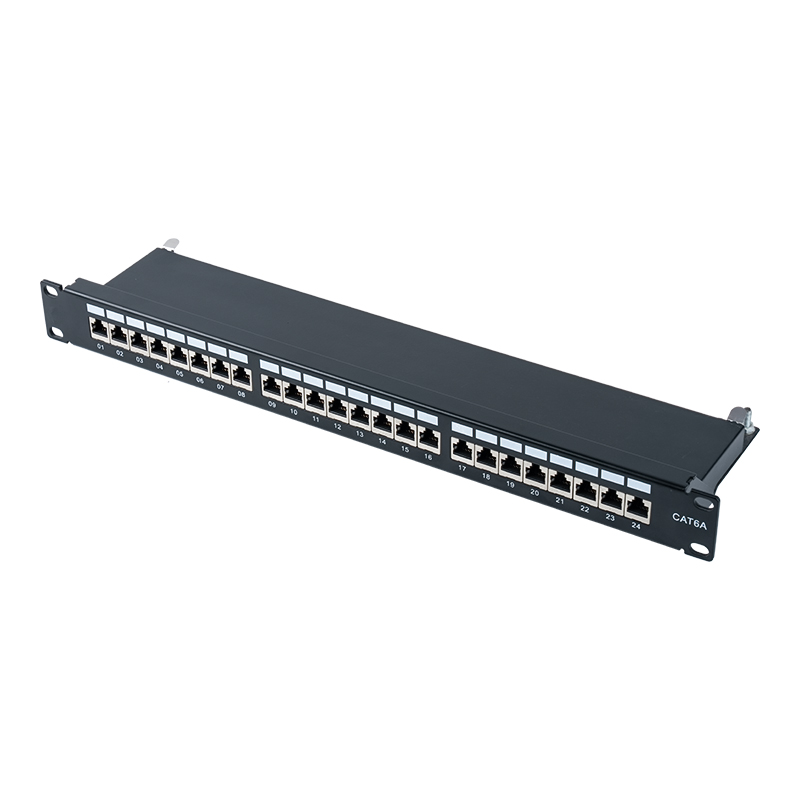
СП-3217SK24-C6A
Cat6, 19 дюймов, 24 порта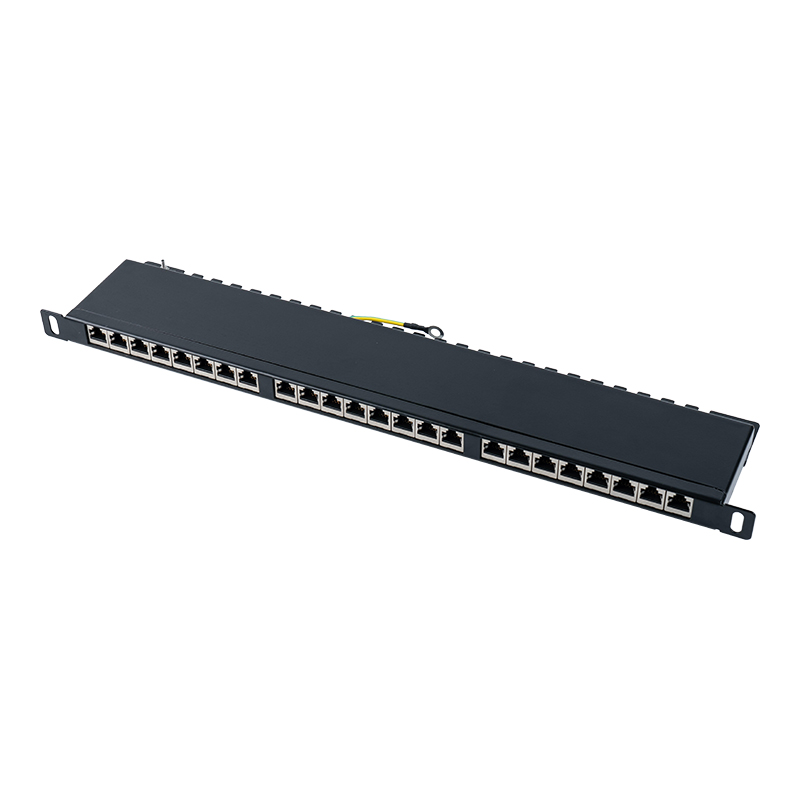
СП-3262СК24-С6А
Cat6e 0,5U, 24 порта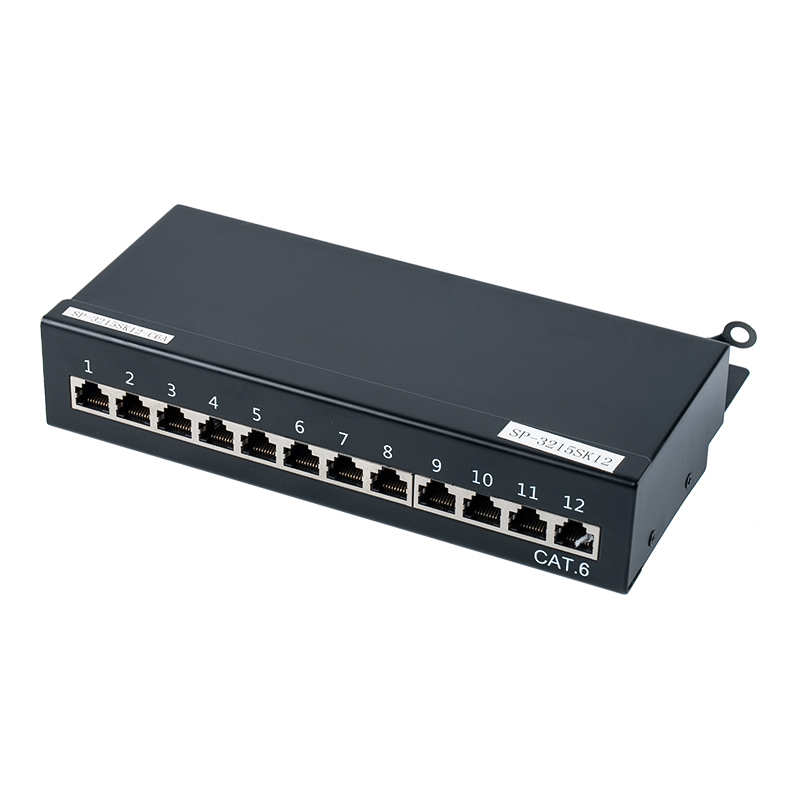
СП-3215СК12-С6
Cat6 1U, 12 портов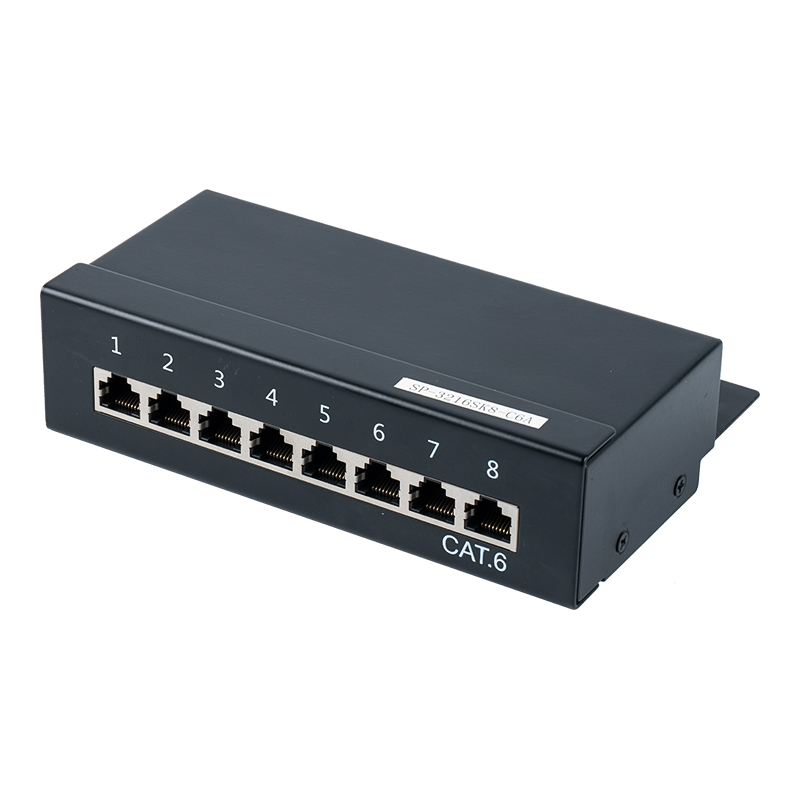
СП-3216SK8-C6
Cat6 1U, 8 портов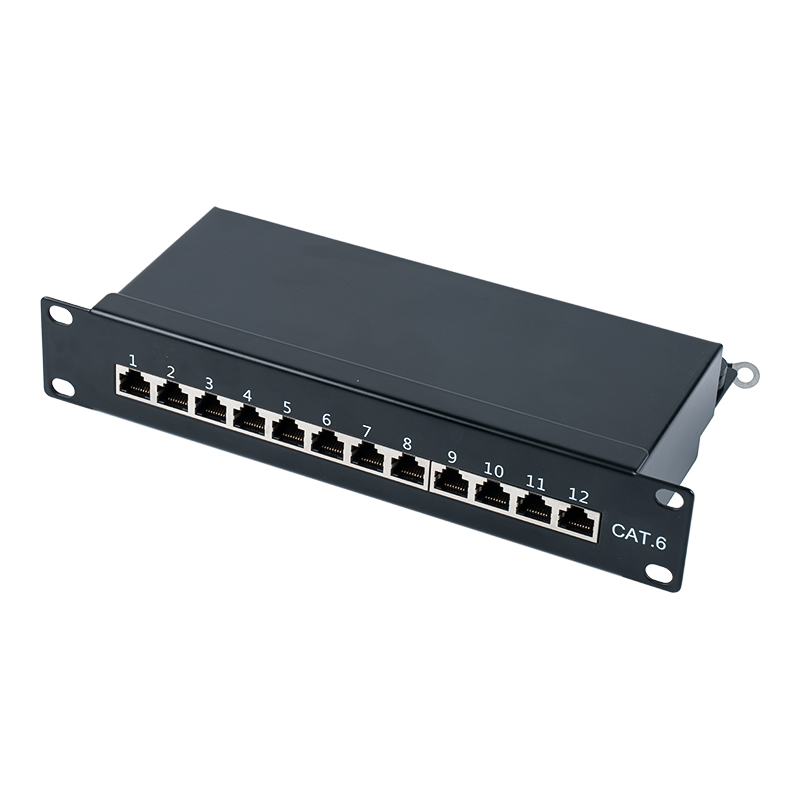
СП-3250СК12-С6
Cat6, 10 дюймов, 12 портовПодробное сравнение характеристик
В таблице ниже добавлены детали на уровне конструкции, которые имеют значение при написании спецификации закупок или сравнении предложений от завода по производству патч-панелей.
| Атрибут | Cat5e | Cat6 | Cat6A | Cat7 |
|---|---|---|---|---|
| Калибр проводника | 24 AWG | 23 AWG | 23 AWG | 22-23 АРГ |
| Экранирование | Обычно УТП | УТП или FTP | Ф/УТП или С/ФТП | S/FTP обязателен |
| Целевой показатель вносимых потерь | Менее 0,1 дБ | Менее 0,1 дБ | Менее 0,1 дБ | Менее 0,1 дБ |
| Стандартный корпус | ТИА/EIA-568 | ТИА/EIA-568 | ТИА/EIA-568 | ИСО/МЭК 11801, класс F |
| Разъем on Panel | RJ45 | RJ45 | RJ45 | ГГ45 / ТЕРА |
Сертифицированная патч-панель добавляет менее 0,1 дБ вносимых потерь на соединение, что незначительно в рамках стандартов TIA/EIA, а использование экранированной патч-панели становится необходимым для поддержания целостности сигнала в приложениях 40G/100G. Это справедливо для всех категорий, поэтому тестирование вносимых потерь является частью контроля качества на надежных заводах, а не чем-то оставленным на волю случая во время установки.
Как выбрать правильную категорию для вашего проекта
Выбор категории должен основываться на требованиях к расстоянию, потребностям в подаче электроэнергии и ожидаемом сроке службы кабельной системы, а не на максимальном количестве, доступном в спецификации.
- Только голосовая связь или бюджетное обслуживание: Cat5e приемлем, если сети действительно не требуется скорость более 1 Гбит/с.
- Стандартные офисные сети длиной до 55 метров: Cat6 предлагает скорость 10 Гбит/с при меньших затратах на материалы, чем Cat6A.
- Дата-центры, освещение PoE, полные 100-метровые трассы: Cat6A — это практический текущий стандарт.
- Промышленные или европейские телекоммуникационные проекты с высоким уровнем электромагнитных помех, требующие сертификации класса F: Cat7 с разъемами GG45/TERA, учитывая, что заделка RJ45 снижает производительность до Cat6A.
Резервную емкость также стоит планировать на этапе проектирования, а не после того, как стойка уже заполнена. Резервирование от 30 до 50 процентов портов для будущего роста позволяет избежать разрушительной реконфигурации стойки в дальнейшем.
Замечания по установке, экранированию и прокладке кабелей
Требования к радиусу изгиба зависят от категории кабеля и его экранирования. Кабели Cat5e и Cat6 требуют минимального радиуса изгиба, в четыре раза превышающего диаметр кабеля, а экранированные кабели Cat6a требуют в восемь раз большего диаметра из-за большего размера проводника и экранирующих слоев. Игнорирование этого требования во время установки является одной из наиболее распространенных причин периодических сбоев соединения, о которых сообщается после построения сети.
Непрерывность экрана имеет такое же значение, как и радиус изгиба для любой экранированной категории. Эффективность экранирования обычно обеспечивает снижение излучаемых излучений на 40–60 дБ в диапазоне от 30 МГц до 1 ГГц, при этом непрерывность должна поддерживаться по всему каналу от экранированного кабеля до экранированных разъемов, экранированных патч-панелей и правильно заземленных корпусов оборудования. Один незаземленный сегмент может превратить экран в антенну, а не в барьер.
Метод завершения влияет как на скорость, так и на долгосрочную надежность. Системы разъемов, не требующие инструментов, сокращают время установки примерно до 3 секунд на каждый проводник и исключают риск чрезмерной перфорации или неполной посадки по сравнению с традиционными перфорированными модулями. Это одна из причин, по которой конструкции трапецеидальных искажений и патч-панелей, не требующие инструментов, стали предпочтительным вариантом в стойках с высокой плотностью размещения и часто переконфигурируемых.
Работа с фабрикой патч-панелей для индивидуальных проектов
Команды по закупкам, занимающиеся закупками в больших объемах, обычно смотрят не только на одну линейку продуктов, но и на всю кабельную экосистему, которую может произвести поставщик. Мощный завод по производству патч-панелей, который также работает как завод по производству разъемов Keystone, завод по производству лицевых панелей, завод по производству разъемов без инструментов, завод по производству разъемов RJ45 и завод по прокладке кабелей, может обеспечить соответствие допусков панели, разъема и лицевой панели, чтобы весь канал работал стабильно, а не собирался из несовместимых компонентов.
Это особенно важно для экранированных проектов Cat6A и Cat7, поскольку экранированная вилка без инструментов RJ45 от одного поставщика и патч-панель от другого могут создавать небольшие несоответствия импеданса на интерфейсе разъема. Приобретение патч-панели, разъемов Keystone, оборудования монтажной коробки и планок для прокладки кабелей у одного поставщика монтажной коробки, выполняющего заводские функции, снижает этот риск и упрощает претензии по гарантии, если партия не соответствует требованиям.
Ведущие заводы предлагают OEM-услуги, включающие индивидуальное количество портов, специализированные системы маркировки и брендинг под частными торговыми марками, при этом заводы уровня 1 поддерживают ежемесячный объем производства 50 000 или более единиц продукции в нескольких категориях. Портфели сертификатов, которые стоит проверить, включают ISO 9001, CE, RoHS и ETL/UL, а также доступ к заводскому аудиту для проверки заявленных производственных стандартов перед размещением крупного заказа.
Часто задаваемые вопросы
Могу ли я использовать патч-панели Cat6 вместе с кабелем Cat6A?
Физически интерфейс RJ45 совместим, но канал будет соответствовать только спецификации более низкой категории. Смешение категорий в одной и той же ссылке снижает производительность того компонента, который является самым слабым.
Требуется ли заземление экранированных патч-панелей даже в офисах с низким уровнем электромагнитных помех?
Да. Неправильно заземленный экран может работать хуже, чем отсутствие экрана вообще, поэтому экранированное оборудование Cat6A или Cat7 всегда должно быть подключено к шине заземления стойки независимо от уровня окружающих электромагнитных помех.
Стоит ли использовать Cat7 для новой коммерческой сборки?
Для большинства коммерческих и офисных развертываний Cat6A обеспечивает ту же практическую производительность 10 Гбит/с со стандартным оборудованием RJ45 и гораздо более обширной экосистемой оборудования, что делает его более экономичным выбором, если проект специально не требует сертификации ISO класса F.
Свяжитесь с нами
Ваш адрес электронной почты не будет опубликован. Обязательные поля отмечены*
Категории
- Новости компании(5)
- Новости отрасли(42)
Категория продукта

Свяжитесь с нами

-
 Нет. 588, проспект Сяолинь, город Сяолинь, город Цыси, провинция Чжэцзян
-
 [email protected]
-
 +86-574-63507962
-
 +86-15988643730
Авторское право Нинбо Беттербелл Телекоммуникационное Оборудование Ко., Лтд. All rights reserved. Производитель решений для структурированных кабельных систем Поставщик сетевых кабельных изделий
